Wild Kitchen Animal Feeding Adventure
Reviews
Wild Kitchen Animal Feeding Adventure blends cooking simulation with early learning about animals and global food cultures. Its strength lies in making nutrition facts part of the gameplay rather than a separate lesson. The gentle difficulty curve and uncluttered interface suit younger players, while the focus on logic over speed keeps it from feeling too childish. The main limitation is the lack of detail about the number of locations or animals, which may leave some players wanting more content.
Description
Global Menu Planning
Players visit different countries, each with animals that have unique eating habits. Every location introduces new ingredients and recipes tied to local cuisine. Preparing a dish for a creature in Brazil might involve tropical fruits, while a visit to Japan could focus on seafood-based meals. This structure encourages thinking about regional food cultures and how they relate to animal nutrition.
Ingredient Selection and Preparation
The core activity involves choosing from a wide range of food items, then mixing and cooking them to meet each animal's requirements. Some animals avoid certain foods due to allergies or natural preferences. Players must read visual cues and hints to determine the correct combination. The process rewards careful observation and logical thinking rather than speed.
Learning Through Interactive Play
As players progress, they absorb facts about what different animals eat in the wild. The game presents this information naturally through gameplay rather than text-heavy lessons. Children and adults alike can gain appreciation for biodiversity and the importance of proper nutrition. The educational value is woven into the cooking tasks without feeling forced.
Visual Design and User Experience
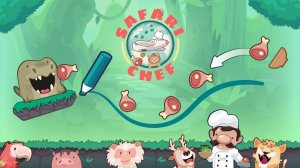
The interface uses bright, clear graphics that make ingredients and cooking steps easy to identify. Controls are straightforward, allowing players to drag items and tap to cook. The design avoids clutter, keeping focus on the task at hand. This simplicity makes the game accessible to younger players while remaining engaging for older audiences.
Progression and Challenge
The game offers a structured path where early stages introduce basic recipes and simple animal needs. Later stages combine multiple ingredients and stricter dietary rules, gradually increasing difficulty. This pacing helps build confidence before introducing more complex challenges. Players unlock new locations and animals as they complete each set of stages.










Editorial Notes