Loving Pairs Jigsaw Puzzle
Reviews
Loving Pairs Jigsaw Puzzle targets players who want jigsaw assembly without pressure. Six affectionate images and three difficulty modes give it enough variety for repeat sessions, while drag-and-drop controls and a persistent preview keep it accessible to children and older adults. The lack of timers, scores, and penalties reinforces the relaxation goal, though players seeking competitive or speed-based challenges will find little here. Its wholesome visuals and simple structure make it a reasonable choice for quiet family play or solo unwinding.
Description
Six Affectionate Scenes to Assemble
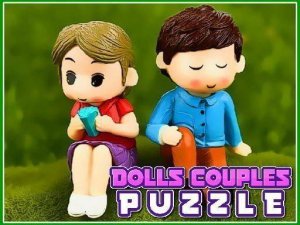
Loving Pairs Jigsaw Puzzle offers six distinct images, each showing a couple sharing a tender moment. These wholesome, family-friendly visuals set a warm tone that suits players of any age. Because every picture carries its own mood and color palette, switching between them keeps the activity visually interesting without changing the core task: fitting scattered pieces back into a single, complete scene.
Three Modes, One Calm Goal
Before starting a picture, you select one of three difficulty modes. This choice adjusts the complexity of the puzzle, letting younger children or newcomers work with a gentler challenge while more experienced players can pick a denser arrangement. No mode introduces a timer, score, or penalty—the only objective is to place every piece correctly. That structure makes the game easy to pause and resume, whether you have five minutes or an hour.
Drag-and-Drop Controls and Visual Guidance
Assembly relies on simple drag-and-drop input. Using a mouse or touchscreen, you move each piece from the scattered pile to its matching spot on the board. A small preview of the finished image stays visible throughout, so you can check colors, shapes, and edges whenever a piece is hard to place. The controls require no prior digital puzzle experience, which keeps the learning curve minimal for children and older adults alike.
Why the Pace Matters
Removing timers and scoring changes how the game feels. There is no pressure to rush, no penalty for leaving the screen and returning later, and no competitive element pushing you forward. That design supports the stated goal of relaxation—unwinding after a busy day or sharing a quiet activity with family. The trade-off is that players seeking speed challenges or ranked competition will not find them here; the game is built for unhurried, self-directed play.









Editorial Notes