Pong Classic Arcade Game
Reviews
Pong Classic Arcade Game strips away everything except the core exchange: move a paddle, return the ball, survive as it speeds up. That focus is its strength for players who want a quick reflex challenge without narrative or setup. The mouse-only control and browser-based format lower the barrier for newcomers and nostalgic players alike. The main limitation is depth—beyond rising ball speed and score tracking, there is little variation, so players seeking progression systems may find it thin.
Description
A Single Rule, Rising Pressure
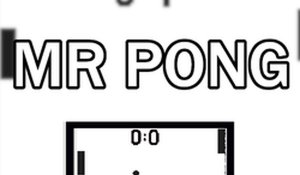
Pong Classic Arcade Game reduces play to one continuous task: keep the ball from reaching the bottom edge. You move a paddle horizontally across the lower screen with the mouse, intercepting the ball and sending it back. Walls and the paddle both produce bounces, so the ball stays in motion until it slips past you. What changes is speed. The ball's pace may gradually increase, shrinking the window for reaction and forcing you to read its angle earlier. That single variable turns a basic exchange into a test of anticipation, not just hand speed.
Mouse-Only Control and Instant Restarts
There are no keyboard inputs, button combinations, or menus to learn. The entire control scheme is horizontal mouse movement, which keeps the barrier to entry low for younger players and anyone returning to early arcade games. When the ball gets past the paddle, the round ends and you can restart immediately. That loop—play, miss, retry—is the whole structure, and it suits short sessions as well as repeated attempts to beat a personal best.
Retro Presentation and Session Length
The visuals stay minimal and retro, focusing attention on the ball and paddle rather than decorative elements. As an arcade and idle title, the game is built around quick play sessions, making it easy to pick up during a break. A scoring system tracks performance and encourages replayability, though the core appeal remains the same: clean mechanics, no narrative, and no violent content. The game runs directly in a web browser, so no download is required.
Reading the Ball, Not the Paddle
Improvement comes from watching the ball's trajectory instead of your own paddle. Anticipating where the ball will land and moving smoothly to that spot reduces frantic corrections. Keeping the paddle near the center of the play area shortens the distance needed to reach either side. As speed climbs, staying calm matters more than reacting fast; erratic movements usually cause the miss. Noting bounce angles helps predict the next path, and short breaks can reset focus when frustration builds.






Editorial Notes