Color Merge Lines Puzzle
Reviews
Color Merge Lines Puzzle is a straightforward browser-based logic game. Its main strength is the tension between merging balls and the new balls that appear after every move, which keeps the grid from becoming predictable. The glass-collection goals add a second layer to plan around. It suits players who prefer deliberate, low-pressure puzzle solving. The lack of an undo option and the reliance on a move limit may frustrate those who prefer to experiment freely.
Description
Merging Balls on a Grid
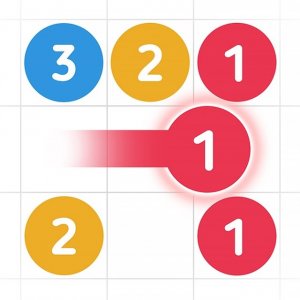
Color Merge Lines Puzzle asks you to find groups of identical numbered balls, move them along clear paths, and combine them into higher-numbered balls. Merging three balls showing the number 1, for example, produces a single ball showing 2. The grid is not static: after every move, new balls appear and can block the routes you were relying on. That single rule changes how you read the board, because a safe move now may close off a better one later.
Level Goals and the Glass Mechanic
Each level gives a specific task, such as reaching a target number like 5 or collecting a certain number of glasses attached to some balls. Glasses are removed only when the balls carrying them are merged into a group, so they function as secondary objectives that compete with your main merge plan. You must complete the goal within a limited number of moves, and the move counter is visible on screen alongside the objective indicator.
Controls and Move Planning
Select a ball by clicking it, then click an empty square next to it to move it. The path must be clear of obstacles, which means the grid's layout directly limits which merges are possible on any given turn. Because new balls are added after each move, the board becomes more crowded over time. Planning two or three moves ahead helps you avoid trapping the balls you need.
Who This Suits
The game is designed to be family-friendly and suitable for all ages. It runs in any modern web browser without downloads and supports full screen, so it works on desktop and mobile devices. If you enjoy compact logic puzzles where a single careless move can undo a good plan, the structure here rewards patience more than speed.










Editorial Notes