Pattern Placement Puzzle Challenge

Reviews
Pattern Placement Puzzle Challenge focuses on a single, well-defined task: matching shapes to outlines using color and contour clues. Its strengths are accessibility, clean interface design, and a relaxed pace without timers or scores. The gradual introduction of more intricate outlines adds variety without overwhelming. It suits casual players, commuters, or anyone seeking a brief mental break. The main limitation is that the input does not describe additional modes, progression systems, or social features, so the experience appears intentionally minimal.
Description
Matching Shapes to Outlines
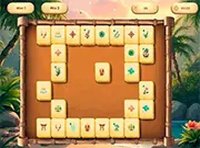
Every round presents a single outline on the main screen and a side panel filled with shapes in different colors and contours. Your task is to find the one shape that fits the outline, then click or tap to place it. The loop is intentionally simple: scan the panel, compare contours, and commit to a choice. Because each outline has a unique form, success depends on visual comparison rather than trial and error. There are no complex rules to memorize, which keeps the focus on observation and quick recognition.
Interface and Visual Design
The layout uses clean lines and distinct colors to separate shapes from outlines. Outlines are drawn with clear borders, and the side panel arranges shapes in a grid so you can scan them efficiently. A full-screen mode removes browser clutter, giving you an uninterrupted view of the puzzle. This design prioritizes readability, meaning even players new to puzzle games can understand the task at a glance. The visual clarity also reduces eye strain during longer sessions.
Playing Across Devices
As a browser-based game, Pattern Placement Puzzle Challenge runs on both mobile phones and desktop computers without installation. Touch controls on tablets and phones support tapping or dragging shapes, while mouse users can click with precision. The responsive layout adjusts to different screen sizes, keeping the same core experience whether you play on a commute, during a lunch break, or at home. This flexibility makes it easy to fit short sessions into a busy day.
Gradual Difficulty and Pacing
While the basic matching task stays consistent, the game may introduce new shape patterns over time to keep the experience fresh. Some outlines become more intricate, requiring closer inspection before you place a shape. This gradual increase in difficulty helps maintain engagement without causing frustration. There are no timers or scores, so you can proceed at your own pace, repeat earlier rounds to improve your speed, or simply enjoy the satisfaction of a completed match. The calm pacing makes it suitable for unwinding, and regular play can sharpen pattern recognition and visual processing skills.






Editorial Notes