Canine Fusion Puzzle
Reviews
Canine Fusion Puzzle targets players who want a low-pressure matching game rather than a competitive one. The fusion mechanic, where two identical dogs become a larger breed, gives each merge a visible result and feeds a collection that grows without a shop or unlock tree. The absence of timers and harsh penalties makes it accessible to children and older adults, while chain reactions reward planning. The main limitation is that the core loop stays simple, so players seeking escalating challenge may find it light.
Description
Merging Mechanics and Board Management
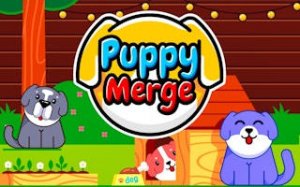
Canine Fusion Puzzle asks players to drag identical dog tiles together to form a new, larger breed. Each successful fusion clears space on the board and introduces a fresh canine design to the collection. [IMG_1] The challenge comes from managing falling tiles as the play area gradually fills. Because merging one pair can create a match nearby, players who plan ahead can trigger chain reactions that clear more space than a single merge would.
Visual Style and Relaxed Atmosphere
Soft colors, rounded shapes, and fluffy dog illustrations give the game a bright, friendly look. Animations are gentle, with tiles settling into place using a subtle bounce. Backgrounds use warm tones and simple patterns that keep attention on the puzzle. Sound effects are limited to soft clicks and cheerful chimes when a merge occurs, reinforcing a pace that feels closer to stress relief than competition. [IMG_2]
Progression and Collection
New dog breeds appear as players continue merging, so the collection grows organically rather than through a shop or unlock tree. The game does not impose strict goals or timers, letting users progress at their own speed. Some versions may include special tiles, such as a cat, that offer bonus points when collected in a set. These additions add variety without complicating the core loop.
Controls and Accessibility
On desktop, players click and drag tiles with a mouse. On mobile, a finger swipe performs the same action. The interface is clean, with clear indicators for available merges and the current score. There are no complex menus or tutorials to navigate because the game explains itself through play. The lack of time limits or harsh penalties for mistakes lowers the barrier to entry for younger children and older adults alike.





Editorial Notes