Rhythm Match Crossover Music Game
Reviews
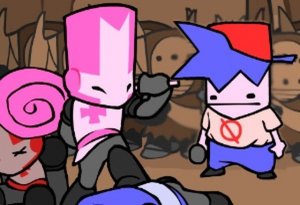
Rhythm Match Crossover Music Game delivers a focused rhythm experience built around matching musical patterns against a knight opponent. Its browser-based design removes installation barriers, and the crossover premise gives the duel a distinct identity. Progression and varied scenarios support both short sessions and repeat visits. The main limitation is that the input does not detail specific modes, track lists, or difficulty settings, so players seeking deep customization should check the game directly. Best suited to those who enjoy timing-based challenges and quick, accessible play.
Description
Two Universes, One Beat
Rhythm Match Crossover Music Game brings together characters from two different game universes in a friendly musical competition. You play as a music-loving character facing off against a knight in a rhythmic showdown. The game runs directly in your browser, so there is no download or installation step. The core objective is to match musical patterns and keep up with the rhythm to outperform your opponent.
Reading the Rhythm
Each round asks you to respond to musical cues as they appear. You use either the keyboard or mouse to interact, and the controls are shown at the start of the game. Timing and coordination matter more than speed alone. Different patterns appear as you progress, testing your ability to stay on beat. You can pause when needed, but staying focused throughout a match is key to success.
Progression and Replay
Objectives gradually become more demanding, giving the game clear progression. Different phases and scenarios keep sessions from feeling identical, and a reward system encourages completing objectives and beating your own records. The design supports short sessions or longer play, depending on how much time you want to spend. The game is optimized for both desktop and mobile browsers.
Who It Suits
Rhythm Match Crossover Music Game is built for players who enjoy timing-based challenges and want a quick browser session. The accessible entry point makes it easy to start, while the increasing difficulty gives dedicated players a reason to return. If you prefer games that reward practice and pattern recognition, this one fits that mold.






Editorial Notes