3D Hide and Seek Adventure
Reviews
3D Hide and Seek Adventure takes the playground game and gives it a cooperative twist: captured hiders can be freed by teammates, so rounds involve planning and coordination rather than pure evasion. Simple controls and colorful visuals make it approachable for all ages, while the maze layout and rescue system give experienced players something to master. Rounds are short, making it easy to fit into a break or extend into a longer session. It is best suited to players who enjoy lighthearted competition and team-based decision-making.
Description
Roles and Round Flow
Each round in 3D Hide and Seek Adventure begins with players assigned as either a hider or a seeker. Hiders move through the maze to stay out of sight, while seekers patrol the same space and try to tag every hider before the timer runs out. If a hider is caught, they are out for that round, so awareness of the seeker's position matters as much as speed. The role split gives each round two distinct rhythms: quiet positioning for hiders and active searching for seekers.
Team Rescue Mechanics
What separates this game from a basic chase is the rescue system. Hiders who avoid capture can sneak to captured teammates and set them free, turning individual hiding into a shared objective. That means a hider's job is not only to survive but also to watch for chances to bring others back into play. Seekers, in turn, cannot simply tag one player and relax, because freed hiders change the numbers. This cooperative layer rewards players who communicate and plan rather than scatter randomly.
Maze Navigation and Controls
The maze is built with multiple paths and obstacles, so route knowledge matters. Controls are kept simple, letting players move quickly and react when a seeker appears or a rescue opportunity opens. Learning the layout helps hiders identify several fallback spots instead of relying on one hiding place. Seekers benefit from searching in a pattern that covers ground thoroughly rather than doubling back through the same corridors. The simple input scheme keeps the focus on positioning and timing rather than complex commands.
Visual Style and Audience
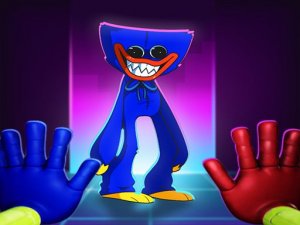
Bright, colorful visuals make the maze feel lively and easy to read at a glance. The lighthearted tone suits players of all ages who enjoy quick thinking and friendly competition. Rounds are short enough for a break but can be played in longer sessions. The game is easy to start, yet the rescue mechanic and maze layout give experienced players room to refine their approach. It works as a solo activity or as a shared game with friends.








Editorial Notes