Reflex Puzzle Arcade Challenge
Reviews
Reflex Puzzle Arcade Challenge works because it adds one twist to a familiar formula: your two-key controls can flip without warning. That single mechanic turns a basic left-right game into a test of attention and mental flexibility. Its family-friendly design and short-session format suit casual players, while the endless structure gives dedicated players a reason to keep returning. The limitation is built in — if the control-swap idea does not appeal, there is little else here. For anyone who enjoys concentration challenges, it delivers exactly what its name promises.
Description
Two Keys, One Shifting Rule
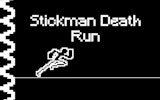
Reflex Puzzle Arcade Challenge strips movement down to two keyboard inputs: one key moves your character left, the other moves right. The complication is the 'forever function,' which can reverse those mappings without warning. A key that just moved you right may suddenly send you left. Your job is not to memorize a fixed control scheme but to read the on-screen cues and respond correctly after each swap. The game is easy to start and hard to master because the rule you learned a second ago may no longer apply.
Why the Control Swap Changes Everything
Most reflex games test how fast you press a button. This one tests whether you press the right button after the rules change. That distinction matters: reaction time alone will not save you if you are still thinking in the old mapping. The swap forces you to process two things at once — the cue telling you the controls have flipped, and the direction you actually need to go. Mistakes come less from slow hands and more from mental lag. Players who stay visually alert tend to last longer than those who rely on muscle memory.
Reading the Cues, Not the Keys
Because the mapping can flip at any time, the reliable skill is watching the game's visual indicators rather than your fingers. When a swap occurs, the screen tells you. Your best habit is to check that cue before committing to a direction, especially after a quiet stretch where no swap has happened for a while. Expecting a swap and being ready to reverse your instinct is more useful than reacting to one after you have already moved the wrong way.
Short Sessions, Family-Friendly Design
The game is built for brief play sessions. With only two controls and no violence or inappropriate content, it suits players of all ages and works well for quick breaks. The endless format means there is no level list to finish; the challenge is how long you can keep adapting as the swaps continue. That makes it a concentration exercise as much as a reflex test, and the difficulty scales with how long you stay alert.
Building Consistency Over Time
Improvement comes from repetition and from learning the rhythm of the swaps. Starting slowly and letting the pattern register before pushing for speed helps more than rushing. Short breaks preserve the focus the game demands, and returning with a clear head usually produces better runs than grinding while tired. The core loop rewards patience and attention, not raw button speed.








Editorial Notes