Anime City Cruise: Doraemon Dash

Reviews
Anime City Cruise: Doraemon Dash succeeds as a straightforward reflex trainer wrapped in cheerful visuals. The escalating difficulty keeps each attempt engaging, while the simple controls make it easy for anyone to start playing. Collectibles add a light scoring layer without complicating the core challenge. It is an ideal choice for families seeking a safe, no-pressure driving experience that rewards practice and attention.
Description
City Streets & Visual Style
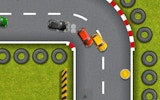
The game places players behind the wheel of a vehicle that echoes the look of a popular anime character. Roads wind through a colorful urban environment inspired by Tokyo, with buildings, signs, and other cars creating a lively setting. The art direction focuses on bright, friendly colors and simple shapes that appeal to younger audiences. Traffic patterns vary, with some vehicles moving slowly and others changing lanes, requiring constant attention. The backdrop remains cheerful throughout, reinforcing a lighthearted tone suitable for family play.
Driving Mechanics & Reflex Training
Control is straightforward: players use arrow keys or on-screen buttons to move left and right, keeping the car centered in its lane. The primary challenge comes from avoiding other vehicles and stationary obstacles that appear without warning. Each collision resets the run, encouraging careful steering and forward planning. As players progress, the pace picks up, and the road becomes more crowded. This gradual increase in difficulty helps build hand-eye coordination and quick decision-making without feeling overwhelming.
Collectibles & Scoring System
Scattered along the asphalt are coins and food items that add to the final tally. These collectibles are placed both in easy-to-reach spots and in riskier positions near traffic, adding a layer of choice. Players can decide to play it safe and focus on distance or take calculated risks for a higher score. The scoring system rewards both survival and collection, giving multiple paths to improvement. This design keeps each session fresh, as players can aim for different goals on each attempt.
Progressive Challenge & Replay Value
The game does not rely on levels or checkpoints. Instead, it uses a continuous difficulty curve where speed and obstacle density increase over time. This structure makes each run a test of endurance and focus. Short play sessions work well, but the escalating challenge also supports longer attempts for those seeking to beat their personal best. The lack of violent content or complex rules makes it easy to pick up, while the climbing difficulty provides a reason to return.
Family-Friendly Design Philosophy
Every element in this game is crafted with a young audience in mind. There are no scary moments, no mature themes, and no complicated menus. The controls respond gently, avoiding sharp or unpredictable movements that might frustrate beginners. Sound effects and music stay upbeat without being distracting. This thoughtful approach ensures that children can play independently while parents feel comfortable with the content. It also serves as a low-pressure introduction to driving games for new players.