Settlement Architect: A Text-Based Strategy
Reviews
Settlement Architect appeals to players who enjoy resource management puzzles and narrative-driven progression. The text-only interface keeps focus on trade-offs between gathering, building, and exploring. Attracting inhabitants adds a social layer with tension between expansion and stability. The lack of hand-holding rewards experimentation. However, those seeking visual feedback or fast-paced action may find the deliberate pace and reliance on imagination less engaging. It is a niche game for patient strategists.
Description
From a Single Room to a Settlement
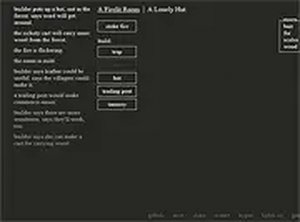
Settlement Architect begins with almost nothing: one room, an unlit hearth, and the knowledge to start a fire. The interface is entirely text, describing the state of your settlement and the resources available. Wood and metal are the two primary materials, and every action—gathering, building, or exploring—consumes time and resources. There is no visual clutter to distract from the numbers and descriptions that matter. Success comes from reading those descriptions carefully and planning several steps ahead.
Gathering and Building
Wood and metal drive everything. You direct collection efforts, then decide what to construct. A sawmill might improve wood output but requires metal, which in turn depends on mining expeditions. Food must be produced or foraged to keep inhabitants alive. The game presents these needs as interconnected puzzles: investing in immediate survival versus long-term infrastructure. Because resources are finite and time passes with each command, every choice carries weight. The minimalist text interface keeps the focus on these trade-offs, and there is no hand-holding—you learn by experimenting and observing the results.
Attracting and Managing Inhabitants
As your settlement accumulates basic supplies, strangers appear in the text. Each has a brief description and a choice: invite them to stay or let them move on. Those who join can contribute to resource gathering or unlock new options. However, you must balance their needs against available food and shelter. Overextension leads to shortages; excessive caution slows growth. This creates a natural tension between expansion and stability, requiring you to read the settlement's status and adjust priorities. Each new resident is a milestone earned through careful planning.
Exploration and Risk
Beyond the village lies an unseen world. You can organize expeditions into the wilderness to scout for new locations, rare materials, or potential allies. Results return as narrative updates, revealing landmarks, hazards, or opportunities. Each expedition consumes resources and carries risk—not every journey succeeds. The text-based format lets your imagination fill in the details, making discoveries feel personal. Deciding when to explore versus when to consolidate becomes a central strategic question, especially as the settlement grows and its needs become more complex.









Editorial Notes