Number Grid Deduction
Reviews
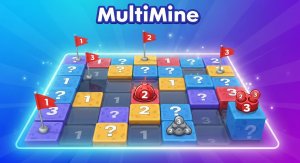
Number Grid Deduction takes the familiar minesweeper number clue and adds a meaningful constraint: some mines are double or triple, so flags must carry the correct count. That single change makes every placement more deliberate. The absence of a timer supports thoughtful play, and the clean interface keeps attention on the grid. Multiple grid sizes accommodate different skill levels. The main limitation is that the input does not detail audio, progression, or puzzle count, so those aspects remain unclear.
Description
Reading the Numbers
Each puzzle hides a set of mines beneath a grid of cells. Clicking a safe cell reveals a number showing how many mines occupy the eight adjacent positions. That single rule drives the entire deduction process: players compare overlapping numbers, eliminate impossible cells, and narrow down where mines must sit. The twist is that mines can be double or triple, and a flagged cell must carry the correct count. A double mine needs a 2, not a generic mark, so precision matters on every flag you place.
Puzzle Sizes and Pacing
Number Grid Deduction is built for different comfort levels. Smaller grids suit players still learning how the numbers interact, while larger layouts require longer chains of reasoning and more careful bookkeeping. There is no timer, so nothing pressures you into a rushed click. You can sit with a clue, trace the implications, and only commit when the logic holds. That absence of time pressure is central to the game's appeal: it rewards patience over reflexes.
Interface and Accessibility
The interface stays out of the way. Numbers and flags are clearly marked, and the layout avoids visual clutter so the grid itself remains the focus. Because the game runs in a web browser and is free to play without in-app purchases or interrupting advertisements, it is easy to open for a short session or a longer one. The clean presentation also makes it approachable for younger players and anyone new to deduction puzzles.
Approaches That Work
Opening near the center of the grid often exposes a larger safe area than edge clicks, giving you more numbers to cross-reference early. Flag a cell only when the surrounding numbers make its content certain, and treat double or triple mines as separate deduction problems rather than ordinary flags. Over time, repeated play builds pattern recognition, so familiar number shapes become faster to resolve.






Editorial Notes