Stellar Alliance: Team Survival
Reviews
Stellar Alliance: Team Survival targets players who enjoy planning with others under pressure. Its strengths are the intertwined systems of resource management, character specialization, and environmental tactics, all of which reward communication. The clan features and daily rewards add structure for regular groups. The main limitation visible in the input is that solo players may find less to engage with, since the design assumes coordination. Those who prefer lone-wolf action should consider whether the team focus fits their habits.
Description
Co-op Mission Structure
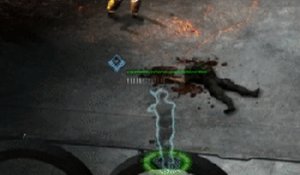
Stellar Alliance: Team Survival is built around group play. Players form squads and take on missions that demand coordination rather than solo rushing. Success depends on covering each other during encounters and dividing tasks so no one is overloaded. The game rewards communication and planning, so a quiet team will struggle where a talking one succeeds.
Resource Pressure and Character Growth
Energy and ammunition are limited supplies. Every item used is an item unavailable later, so teams must decide when to spend and when to hold back. Completing tasks earns experience points that feed into character improvements. These upgrades let each player tailor abilities to a specific role in the group, whether that means handling support, front-line pressure, or another function the squad needs.
Exploration and Environmental Tactics
The game world is a sprawling sci-fi setting with varied locations. Thorough exploration can uncover hidden caches and positions that give a squad an advantage. The 3D presentation emphasizes scale, and the environment itself functions as a tactical tool. High ground, cover, and chokepoints matter because they change how encounters unfold.
Clans, Customization, and Progression
Players may join or create clans, which serve as a community hub for sharing strategies and support. Daily rewards and unlockable maps provide reasons to return. Equipment and upgrade options support different play styles, from stealthy approaches to direct confrontation. The result is a game where team composition and individual loadout choices both shape how a mission plays out.








Editorial Notes