100 Room Mystery Escape
Reviews
100 Room Mystery Escape offers a straightforward loop: examine a room, collect items, apply logic, unlock the exit. Its strengths are accessibility and pacing. No download, no timer, and a difficulty curve that starts gentle. The family-friendly design and simple controls make it easy to pick up. The limitation is inherent to the genre: if you want speed or reflex-driven play, this will feel slow. For puzzle fans who enjoy observation and quiet problem-solving, the 100-room structure provides steady progression.
Description
A Puzzle Estate of 100 Rooms
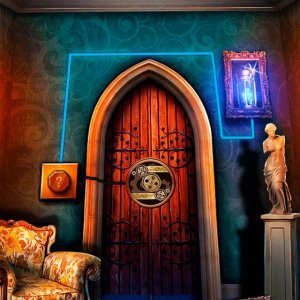
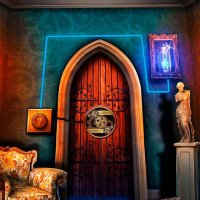
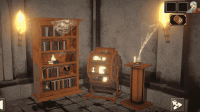
100 Room Mystery Escape places you inside a sprawling estate filled with locked doors and curious objects. Each of the 100 rooms functions as a self-contained puzzle box. Your goal is simple: find the key or tool that opens the exit. Reaching that goal requires examining your surroundings, spotting patterns, and connecting information that is rarely handed to you directly.
How a Room Typically Unfolds
You interact by tapping on a phone or tablet, or clicking with a mouse on a computer. Objects respond when selected. Some reveal a clue, such as a number sequence or a symbol. Others can be picked up and stored for later use. Many puzzles ask you to combine two items or apply a detail you noticed elsewhere in the same room. Because there is no timer, you can stand still and think. The game never punishes a wrong guess with a penalty, so experimenting with different item orders is part of the process.
Progression and Pacing
The difficulty curve starts gently. Early rooms teach you what to look for: a loose floorboard, a book that opens, a drawer that slides. Later rooms layer multiple steps together, asking you to remember a clue from one corner while using it in another. That gradual build lets newcomers learn the language of escape games without a tutorial wall, while giving experienced players enough interlocking logic to stay engaged. Progress is measured in rooms solved, not points or stars.
Who This Suits
The game runs in a modern web browser on desktop, tablet, or phone with no installation. A full-screen mode is available for a cleaner view. The content is designed for players aged 3 and up, making it a shared activity for families. If you prefer fast reflexes or action, this will feel slow. If you enjoy observation, memory, and the quiet satisfaction of a lock clicking open, the format fits.






Editorial Notes