Pooh Dress Up Fashion Fun
Reviews
Pooh Dress Up Fashion Fun delivers exactly what its name suggests: a simple, cheerful dress-up activity starring Winnie the Pooh. Its strengths lie in accessibility—clear icons, point-and-click controls, and the absence of timers or scores make it welcoming for very young children. The open-ended format encourages experimentation and fine motor practice. However, the game offers no progression, challenges, or additional characters, so its appeal is limited to short, relaxed sessions. It best suits parents seeking a safe, creative distraction for preschoolers who already love the character.
Description
Styling Winnie the Pooh
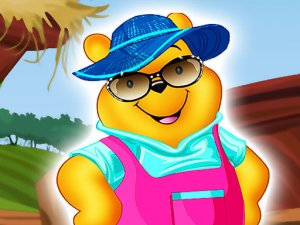
In Pooh Dress Up Fashion Fun, the goal is straightforward: dress Winnie the Pooh in outfits built from a selection of clothing items, glasses, and hats. Each piece is chosen by clicking or tapping, and children can combine them freely to create looks that range from silly to stylish. The game revolves entirely around this mix-and-match process, with no story objectives or level progression to worry about.
Designed for Young Players
The interface uses clear icons and a friendly layout, so even the youngest players can navigate without reading instructions. Because there are no timers or scores, children set their own pace. This removes the pressure that often accompanies game challenges and shifts the focus to experimentation. The bright, cheerful graphics reinforce the welcoming tone, making the experience feel like play rather than a task.
Creativity Without Rules
There are no right or wrong combinations. Players can try a hat with mismatched glasses, or layer clothing items in unexpected ways. This open-ended structure supports imaginative play and gives children room to express personal style. The act of selecting and placing items also quietly practices fine motor skills, as each choice requires precise clicking or tapping.
A Relaxed, Safe Space
Pooh Dress Up Fashion Fun is built for fans of Winnie the Pooh who enjoy styling characters. Its lack of competition and failure states makes it suitable for very young children or anyone seeking a calm, creative activity. The game does not include multiplayer, story modes, or unlockable content—its appeal lies in the simple, repeatable joy of dressing up a familiar character.



Editorial Notes