Hidden Coin Puzzle Adventure
Reviews
Hidden Coin Puzzle Adventure is a point-and-click hidden object game built around observation and item combination. Its strongest feature is the absence of time pressure, which makes it accessible to younger players and anyone who prefers thoughtful puzzle solving. The difficulty curve relies on adding puzzle layers rather than new controls. The main limitation is that the concept stays within a single-room escape format, so players seeking variety in setting or mechanics may find it repetitive.
Description
Searching a Room Full of Coins
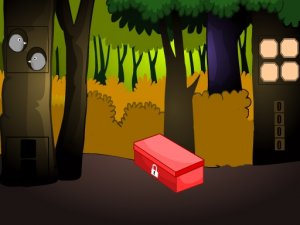
Hidden Coin Puzzle Adventure places players in a single room packed with gold coins. The goal is not simply to grab them, but to figure out how to collect the coins and leave the room. Each scene is a self-contained puzzle box where every object on screen could be a clue, a tool, or part of a larger solution. Progress depends on noticing what others might overlook.
Point-and-Click Interaction
You play entirely with the mouse. Clicking objects and areas lets you examine them, pick them up, or trigger a response. Some puzzles require combining two items in your inventory, while others ask you to interpret a riddle or spot a pattern in the room. There is no tutorial and no complicated control scheme, so the first click teaches you how the game works.
No Timers, No Pressure
Nothing in Hidden Coin Puzzle Adventure forces you to hurry. There are no countdown clocks, no fail states tied to speed, and no penalties for experimenting. That design choice makes the game approachable for younger players and for anyone who prefers to think through a puzzle without stress. You can click on every object in a scene, revisit earlier areas, and change your approach at any time.
Progression Through Observation
Later levels introduce new obstacles and mysteries, but the core loop stays the same: observe, interact, and solve. Difficulty rises by adding more layers to each puzzle rather than by introducing new control mechanics. The game rewards careful examination of the environment, so players who click on unfamiliar objects and test combinations tend to move forward faster than those who rush.





Editorial Notes