Blaze Racing Arcade Game
Reviews
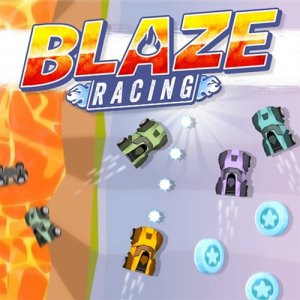
Blaze Racing Arcade Game keeps its scope narrow: colorful tracks, simple steering, and a focus on lap times rather than combat or story. Drifting adds a skill layer that rewards practice without shutting out beginners. The 3D visuals and performance optimization aim to keep the experience smooth on modest hardware. Its main limitation is that it appears to be a solo time-attack style racer with no stated multiplayer. It suits players who enjoy self-improvement through repetition and prefer accessible controls over simulation depth.
Description
Track Design and Racing Objective
Blaze Racing Arcade Game puts you behind the wheel on colorful tracks built from gentle curves and straightaways. The goal is straightforward: complete each course in the shortest time possible. Tracks are designed to reward speed and precision rather than combat or aggression, so the challenge comes from clean driving lines and efficient cornering. Because the environment avoids violence or inappropriate content, it works as a family-friendly option. The 3D visuals stay smooth and readable, which matters when you need to judge a turn early.
Controls and Handling
Input is deliberately simple. On a keyboard, the arrow keys steer left, right, up, and down. On touch devices, tapping or swiping guides the car along the track. There is no steep learning curve; you can start racing immediately. The handling is responsive, meaning small adjustments translate into immediate changes in direction. That responsiveness rewards smooth inputs over jerky corrections. Staying on the road and avoiding obstacles are the basic requirements, and the controls support that without extra complexity.
Drifting as a Cornering Tool
Drifting is the main skill layer. Rather than braking hard into every bend, you can use a drift to carry momentum through a corner and exit with more speed. This affects lap times directly: a well-timed drift keeps your car flowing, while an early or late one costs you seconds. Because the tracks have gentle curves, drifting is approachable, but mastering it still takes practice. The mechanic gives experienced racers something to refine without alienating beginners.
Performance and Session Length
The game is optimized to run smoothly even on less powerful devices, so hardware should not be a barrier. Races are short enough for quick sessions, yet the pursuit of faster lap times supports longer play. There are no complex rules to memorize. Familiarity with a track's layout helps you anticipate turns and obstacles, and regular practice improves both reflexes and lap times. Smooth driving tends to beat aggressive acceleration over a full course.






Editorial Notes